

By Scott Davis / Last Updated: December 11, 2025
In today’s digital landscape, measuring the return on investment (ROI) from blogger outreach initiatives is essential for ensuring optimal resource allocation and achieving impactful results. Understanding blogging performance goes beyond simple metrics; it involves analyzing engagement, conversion rates, and the quality of audience interactions. This guide delves into practical strategies and tools to assess and maximize the ROI of your blog efforts. Whether you aim to increase brand visibility or drive sales, mastering how to measure blogging performance is key to leveraging your blog as a powerful marketing tool. Discover actionable insights to elevate your blog’s impact and efficiency.
Key Highlights
- Measuring blogger outreach ROI is crucial for optimizing resource allocation and increasing marketing impact.
- Engaging with key metrics like backlinks, traffic, and conversion rates refines blogger outreach strategies.
- Employing Google Analytics transforms insights into actionable strategies, improving blogging performance.
- Tracking engagement metrics enhances understanding of content effectiveness, fostering better audience connections.
- Leveraging data-driven approaches to maximize conversion rates boosts overall blog performance and ROI.
Understanding Blogger Outreach ROI
In today’s digital landscape, measuring the return on investment (ROI) from blogger outreach is crucial for effective content marketing. Businesses aim to enhance their authority and boost their SEO by attracting quality backlinks from reputable bloggers. Understanding the key factors that contribute to outreach ROI can help marketers refine their strategies, increase conversions, and maximize revenue. This involves examining common metrics that highlight successful campaigns, assessing the impact of email outreach, and analyzing post traffic and engagement statistics. This comprehensive approach ensures that every outreach initiative contributes to clearer insights and a higher marketing ROI.
The Importance of Measuring Blogger Outreach
Measuring blogger outreach is fundamentally important for businesses aiming to harness the full potential of content marketing. Successful blogger outreach campaigns can substantially increase a company’s visibility, authority, and traffic. When companies don’t effectively measure the impact of these campaigns, they risk missing out on valuable insights that could inform future strategies.
Measurement is essential to understand what aspects of the campaign have succeeded or failed. Identifying effective outreach tactics is crucial for refining future approaches, ensuring resources are used efficiently, and maximizing revenue. In the growing digital marketplace, metrics related to outreach performance, such as conversion rates and engagement, offer a detailed picture of a campaign’s success.
Metrics like backlinks and mentions are often used to assess the quality of outreach efforts. These components play a critical role in shaping the SEO performance of a website. Each link serves as a vote of confidence from the source site, enhancing the credibility and authority of the target site. Thus, proper measurement ensures that these efforts are accurately tracked and their impact well understood.
The importance of metrics extends beyond mere numbers. They provide a perspective on the return on investment of blogger outreach efforts. Businesses can calculate ROI by comparing the cost of outreach initiatives against the benefits accrued, such as increased traffic and lead generation. Calculating ROI is not only about financial returns but also encompasses brand awareness and market reach. It enables organizations to refine their strategies and focus their resources on high-impact activities.
Engagement metrics are another cornerstone in measuring outreach success. They tell the story of how audiences interact with content, evidenced by social shares, comments, and time spent on pages. These metrics not only indicate the resonance of content but also offer insights into customer preferences that can guide future content creation. Therefore, the consistent measurement of these factors can help businesses fine-tune their messaging to better connect with their audience and drive conversions. By taking a thorough approach to assessing outreach performance, organizations place themselves in a better position to achieve their marketing objectives and drive sustainable growth. A comprehensive understanding of outreach performance enables businesses to harness the full potential of their blogger outreach campaigns.
Common Metrics for Assessing ROI
Measuring the ROI of blogger outreach initiatives involves a thorough understanding of the various metrics that contribute to a campaign’s success. A vital component of any content marketing strategy is tracking key performance indicators (KPIs) such as backlinks, traffic, and conversion rates. Each of these metrics offers unique insights that can help businesses fine-tune their approach to blogger outreach and ensure resources are invested wisely.
Backlinks and SEO Performance
Starting with backlinks, these are essential for improving a site’s SEO performance. By acquiring links from authoritative sources, a website can significantly boost its search engine visibility. This increased authority can lead to higher rankings, which in turn drives more traffic to the site. An effective way to measure the impact of backlinks is to evaluate the quality of the sources and the context in which they appear. Tools like content analytics platforms allow marketers to delve deeply into the qualitative aspects of backlinks, enhancing the overall assessment of their value.
Traffic Measurement
Traffic measurement is another crucial aspect of calculating outreach ROI. Post traffic indicates how successful a blog post is in attracting visitors and can be an indicator of how effectively the content resonates with the audience. Metrics such as page views and unique visitors provide a snapshot of visibility, while more granular data, like the sources of traffic, can inform optimization strategies. Companies should focus on which channels drive the most visitors and reallocate resources to capitalize on these high-performing areas.
Conversion Rates and Engagement
Conversion rates are perhaps the most telling metric of success. This measurement helps businesses determine how well their outreach converts visitors into customers. Identifying factors that influence conversions, such as landing page design or the CTAs’ (calls-to-action) effectiveness, provides actionable insights. By routinely testing and refining these components, businesses can improve their conversion rates, ultimately increasing the outreach ROI.
Engagement metrics also play a crucial role, revealing how visitors interact with content. These include time spent on the page, scroll depth, and social shares. High levels of engagement often correlate with high-quality content that resonates with readers, driving further shares and interactions. By examining engagement data, companies can better understand their audience’s preferences and adapt their strategies accordingly.
Measuring these metrics forms the foundation of a competent outreach strategy, enabling marketers to pinpoint which activities are yielding the best results and offering opportunities to enhance future campaigns. For businesses eager to maximize their blogger outreach ROI, understanding these metrics is not just beneficial; it’s essential. Organizing data-driven approaches leads to more accurate campaign tracking and ultimately refines the ROI calculation process for sustained growth.
| Metric | Purpose | Impact on ROI | Key Insights |
|---|---|---|---|
| Engagement Rate | Measures interaction level with content | Higher engagement indicates effective outreach | Focus on increasing interaction to boost brand recognition |
| Traffic Increase | Assesses growth in website visits | More traffic generally correlates with higher sales potential | Identify high-performing blog partners driving substantial traffic |
| Conversion Rate | Tracks the percentage of visitors completing desired actions | Directly impacts revenue and profitability | Optimize landing pages and calls to action for better results |
| Cost Per Acquisition (CPA) | Calculates the cost-effectiveness of campaigns | Lower CPA improves profit margins | Regularly evaluate and adjust strategies to minimize costs |
This table highlights the fundamental metrics used to evaluate the ROI of blogger outreach, providing insights for more data-driven marketing strategies.
How to Effectively Measure Blogging ROI
Understanding how to measure blogging ROI is essential for amplifying the success of content strategies. By effectively utilizing tools like Google Analytics and focusing on key engagement metrics, businesses can obtain comprehensive insights into their blogging performance. This knowledge not only enhances the visibility and authority of their content but also boosts conversions and overall success. Delving into the power of analytics and tracking the right metrics lays a solid foundation for refined content marketing strategies, ensuring that bloggers maximize their efforts and achieve optimal ROI from their campaigns.
Leveraging Google Analytics for Accurate Measurement
Google Analytics is an indispensable tool for bloggers looking to measure the return on investment (ROI) of their content efforts. Implementing Google Analytics can transform vague assumptions into quantified insights, thus helping bloggers track and measure success more effectively. By offering a robust suite of features, it empowers them to delve deep into metrics such as traffic sources, user behavior, referrals, and conversion rates, thereby providing a comprehensive picture of blog performance.
Not only does it help in understanding the volumes of traffic a blog receives, but it also uncovers which channels, be it direct, referral, or social media, are the most productive in driving audience engagement and authority growth. Bloggers can pinpoint which outreach strategies are performing well, by analyzing referral traffic. Such insights are invaluable for refining content marketing strategies and focusing resources on high-impact activities.
By offering a robust suite of features, Google Analytics empowers bloggers to delve deep into metrics such as traffic sources, user behavior, referrals, and conversion rates, thereby providing a comprehensive picture of blog performance.
Using content analytics within Google Analytics, bloggers can further dissect the audience’s interaction with their content. This involves examining both qualitative and quantitative metrics, such as page views, average session duration, and bounce rates. Understanding these factors helps in determining the content pieces that most resonate with the audience. By adjusting their campaigns based on these findings, bloggers can enhance the relevance and impact of their blogs, leading to improved engagement and conversion rates.
Another critical aspect is setting up goals and conversion tracking. By leveraging goals, bloggers can define specific actions they want users to take, such as signing up for newsletters or downloading e-books, and then measure how well their content facilitates these actions. This attribution helps link efforts directly to outcomes, creating a clearer picture of the blogging ROI. Advanced users might employ event tracking, allowing more granular insights into user interactions beyond simple pageviews. This technique is particularly useful for assessing the effectiveness of multimedia content, such as videos or embedded links, in driving user engagement.
Overall, effectively utilizing Google Analytics allows bloggers to act on precise data, ensuring that their outreach initiatives are not just shots in the dark. Instead, they are informed by accurate measurement, making it possible to fine-tune strategies and maximize returns on blogging activities. For those seeking to optimize their outreach performance, considering common outreach mistakes is essential for steering clear of potential pitfalls.
Key Engagement Metrics to Track
When aiming to maximize blogging ROI, tracking engagement metrics plays a crucial role in understanding the effectiveness of content. Engagement metrics unravel the interaction levels between the audience and the content, providing actionable insights for enhancing outreach campaigns.
Fundamental Engagement Metrics
Fundamental engagement metrics to monitor include:
- Time users spend on a blog
- Pages per session
- Overall bounce rate
By analyzing these metrics, bloggers can gauge the content’s ability to capture and retain audience attention, pointing to areas that might require refinement.
Tracking social shares and comments is another critical engagement metric. These indicators not only reflect the reach and resonance of content but also serve as signals for authority in a particular niche. More social interactions often correlate with higher audience involvement and brand recall. As such, they can enhance SEO through increased visibility and potential backlinks. Understanding these engagement signals allows bloggers to tailor their content more precisely, ensuring that it aligns with audience preferences and consistently fosters high levels of interaction.
Backlinks and Audience Segmentation
Another vital metric involves the evaluation of backlinks and mentions, reflecting external validation and authority. Quality backlinks from reliable sources can significantly boost a blog’s SEO performance, enhancing its search engine rankings and driving organic traffic. Monitoring these links can help in understanding which blogging efforts lead to the most substantial external referencing, optimizing content strategy accordingly. Successful measurement of these elements requires a solid attribution strategy, ensuring that link-building activities are aligned with broader marketing goals and contribute directly to ROI.
Additionally, adapting to engagement analytics helps in identifying top-performing content, guiding future content creation. Skills in segmenting audience data, such as geographical location, device use, and demographic information, provide deep insights into user segments that offer the best conversion potential. Effective personalization enhances user experience and encourages repeat interactions, thus, progressively improving ROI over time.
In conclusion, comprehending and employing key engagement metrics is a non-negotiable part of improving blogging ROI. By continuously refining content and adapting strategies based on thorough metric evaluation, bloggers can achieve a deeper connection with their audience, significantly boosting the overall success of their outreach efforts. As bloggers seek to optimize their content for maximum impact, leveraging strategic conversion-focused insights will pave the way for enhanced performance and long-term growth in their blogging endeavors.
Maximizing Your Blog’s Conversion Rates
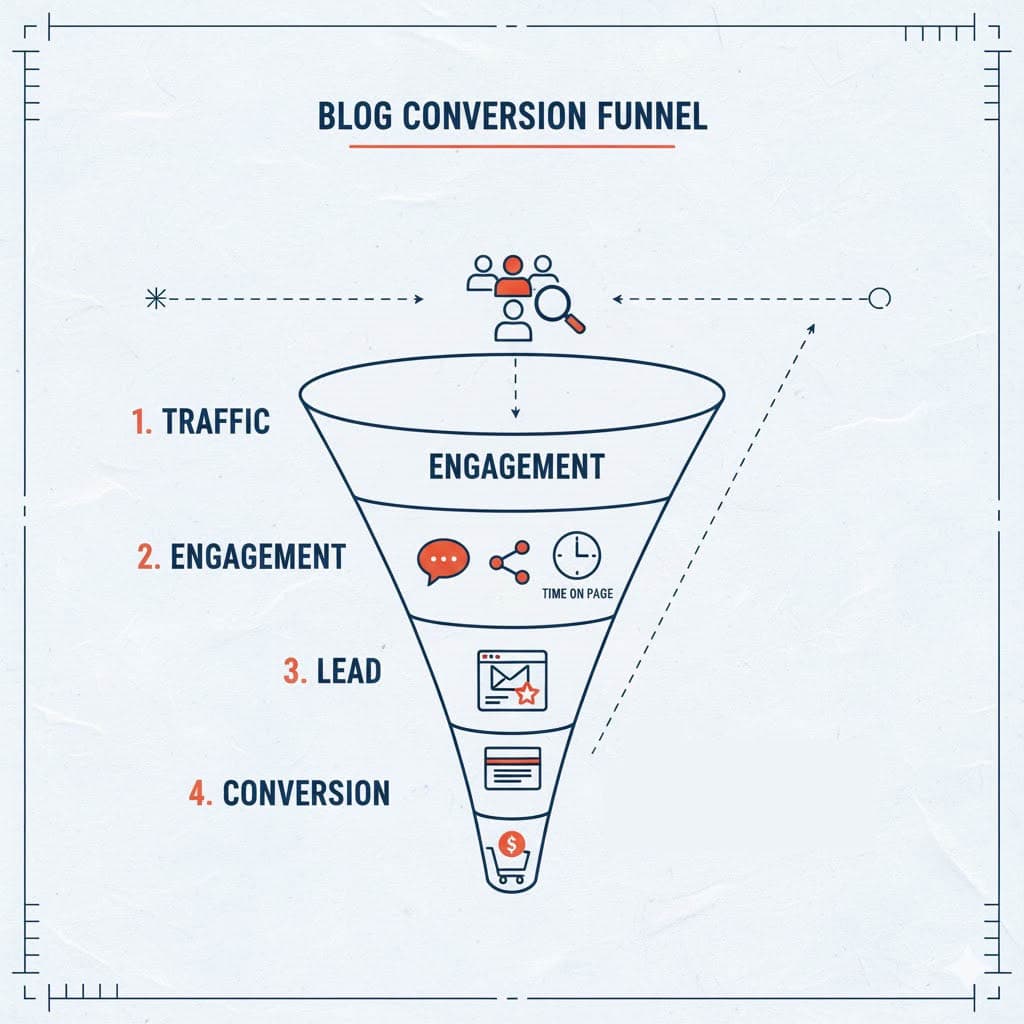
Enhancing your blog’s conversion rates is essential for achieving greater ROI and success in content marketing. Effective conversion strategies not only boost engagement but also transform casual readers into loyal customers, making every piece of content count. By exploring practical methods and reviewing successful case studies, bloggers can uncover tactics that significantly impact their conversion metrics. Whether it’s optimizing on-page elements or leveraging strategic insights, focusing on conversion rates helps maximize the potential of your blog, ensuring that each visitor interaction contributes to measurable outcomes and a heightened digital presence.
Strategies for Boosting Conversion Rates
To effectively boost conversion rates in blogging, it’s crucial to employ proven strategies that prioritize user engagement and clear calls to action (CTAs).
Optimizing User Experience and Content
One effective tactic is to optimize the user experience by ensuring that your blog design is both aesthetically pleasing and highly functional. This involves:
- Intuitive navigation
- Responsive design across all devices
- Fast loading times
Another crucial strategy is to craft compelling content that addresses the needs or pain points of your audience. Doing so not only increases time on the page but also encourages actions that lead to conversions, such as signing up for newsletters or purchasing products. By providing clear, actionable CTAs throughout your blog, readers are more likely to move along the conversion funnel.
Data-Driven and Social Tactics
Personalization is another key element; by tailoring content to reflect the interests and behaviors of different audience segments, blog owners can significantly enhance relevance, resulting in higher engagement and conversion rates.
- Leveraging data analytics is central to this approach. By tracking how users interact with your blog through tools like Google Analytics, you can gather valuable insights into which content types or styles lead to the highest conversions.
- The use of A/B testing is also effective in determining the efficacy of different content variations, layouts, or CTAs by comparing performance metrics. This refined method of trial and error supports ongoing optimization.
- Incorporating social proof in the form of testimonials, user reviews, or case studies can also motivate new visitors to engage and convert, seeing real-world evidence of the product’s or service’s effectiveness.
Finally, forming partnerships with influential bloggers or engaging in guest posting schemes can extend your reach to new audiences, bringing in potential customers who are more likely to convert due to their alignment with your content. These strategies, when cohesively implemented, can significantly enhance conversion rates, ensuring your blog achieves its full potential and delivers high ROI.
Case Studies on Successful Conversion Tactics
Examining case studies of successful conversion tactics provides invaluable insights into what works in the realm of blogging and content marketing.
- Lifestyle Blog: Managed to triple its conversion rates by incorporating interactive content such as quizzes and polls that engaged users more deeply and provided valuable user data.
- Technology Blog: Significantly boosted its conversions by optimizing its email subscription process, simplifying the sign-up form and offering a compelling lead magnet (e.g., an exclusive eBook).
- Food Blog: Successfully utilized video content to enhance engagement and conversions. By embedding short, instructional videos within recipe posts, the blog increased its average session duration and fostered a more interactive reader experience, which translated to more clicks on monetized links.
- Fashion Blog: Increased its conversion metrics by collaborating with influencers to expand its reach and inject social proof into its brand image.
These examples illustrate the power of diverse content types in capturing audience interest and driving action. Each case study highlights the importance of understanding your audience and utilizing data analytics to refine your approach. By taking lessons from these real-world applications, bloggers can implement robust conversion tactics that not only enhance engagement but also significantly increase their ROI.
Calculating ROI for Content Efforts
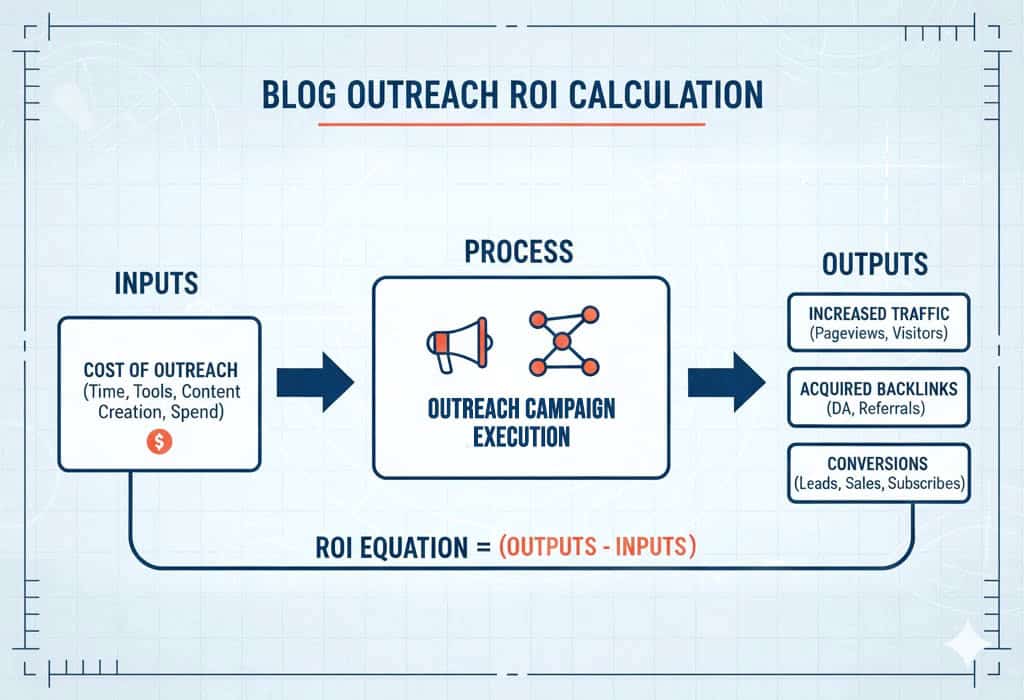
Effectively calculating ROI for your content efforts is pivotal in maximizing the impact of your blogging activities. By understanding the fundamental components of ROI, bloggers can fine-tune their strategies to enhance engagement and revenue. This section delves into best practices, providing insights that help track key metrics and ensure your blog delivers optimal returns. Understanding how to measure Blogging ROI informs resource allocation and performance enhancement, making content efforts more impactful and financially rewarding.
Best Practices for Calculating ROI in Blogging
Calculating ROI in blogging isn’t merely about numbers; it’s about understanding the interplay between various metrics that reflect your content’s performance.
To begin, one must distinguish the key performance indicators that align with specific goals. These can include post traffic, revenue, engagements, and more. By evaluating these parameters, bloggers develop a benchmark for measuring success.
Leveraging Analytics and Budget Optimization
Tools like analytics platforms are indispensable. They track metrics such as visitor count, bounce rate, and time spent on pages, essential data for assessing engagement and traffic quality. High post traffic with sustained engagement often indicates content that resonates with audiences, leading to better conversion rates and higher ROI.
Implementing advanced analytics allows bloggers to precisely track where traffic comes from, a vital step in ROI calculations. Understanding which channels drive the most visitors with the least expenditure is crucial for optimizing content marketing budgets. By reallocating resources to these high-performing channels, bloggers can enhance overall returns.
Goal Setting and Optimization
Subscription rates and CTA conversions further enrich ROI tracking, giving insights into the persuasive power of content. Set clear goals within your analytics setup to measure specific actions users take, such as form submissions or newsletter signups. This ties content efforts directly to tangible outcomes, offering clear metrics for calculating ROI.
Consistency in monitoring and optimizing content efforts pays dividends in understanding ROI trends. Regular adjustments based on analytic insights keep content fresh and relevant, fuelling ongoing engagement. Personalizing content based on the data gathered enhances relevance and can notably improve conversion metrics. A/B testing different blog formats or content types offers practical insights into what resonates best, thus optimizing for higher success and return on investment.
It’s essential to remember that calculating ROI is not just about monetary gain; it’s about maximizing the impact of your content efforts in terms of visibility, authority, and audience retention. Finally, incorporating social proof and credibility indicators, such as user reviews and influencer endorsements, can significantly amplify content’s appeal, driving higher engagement and ROI.
By following these best practices, bloggers are better equipped to track and optimize their content’s performance, ensuring their efforts yield the highest possible return. This comprehensive approach to calculating ROI transforms your blog from just a communication tool into a critical component of your marketing strategy, delivering insightful data that guides future content endeavors.
Conclusion: Driving Sustainable Content Growth
In conclusion, measuring the ROI of blogger outreach requires a strategic approach that encompasses tracking engagement metrics, conversion rates, and overall brand sentiment. By leveraging tools like Google Analytics and conducting regular performance audits, you can glean actionable insights that inform your content strategy. Prioritizing high-quality collaborations and producing authentic, valuable content will maximize your blogging performance and ROI. Remember, effective outreach is not just about the numbers; it’s about building long-term relationships that drive sustainable growth and align with your broader marketing objectives, ultimately providing substantial value for both your brand and your audience.
